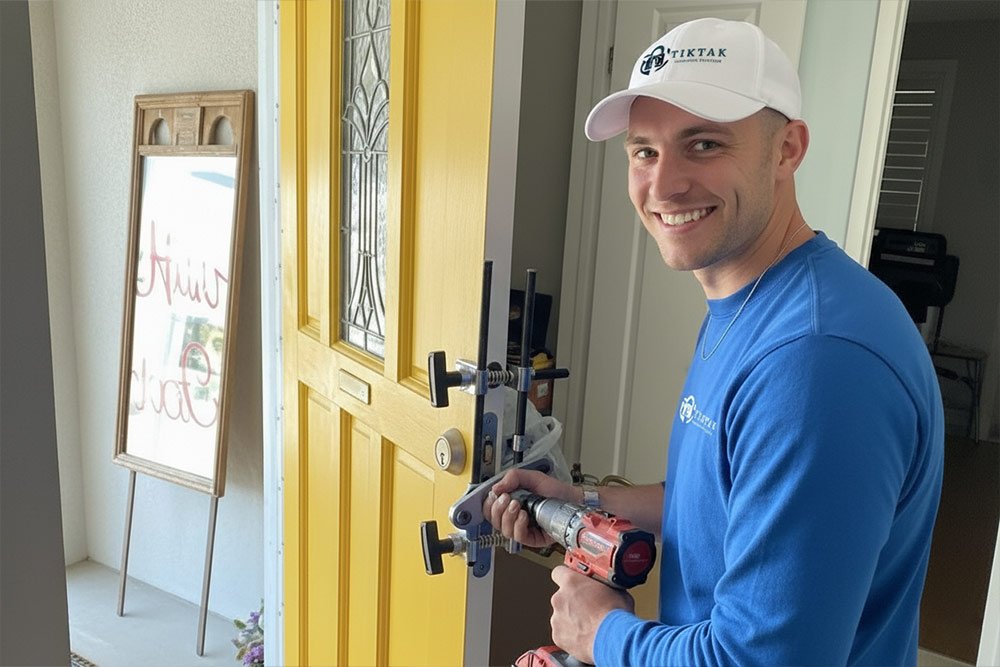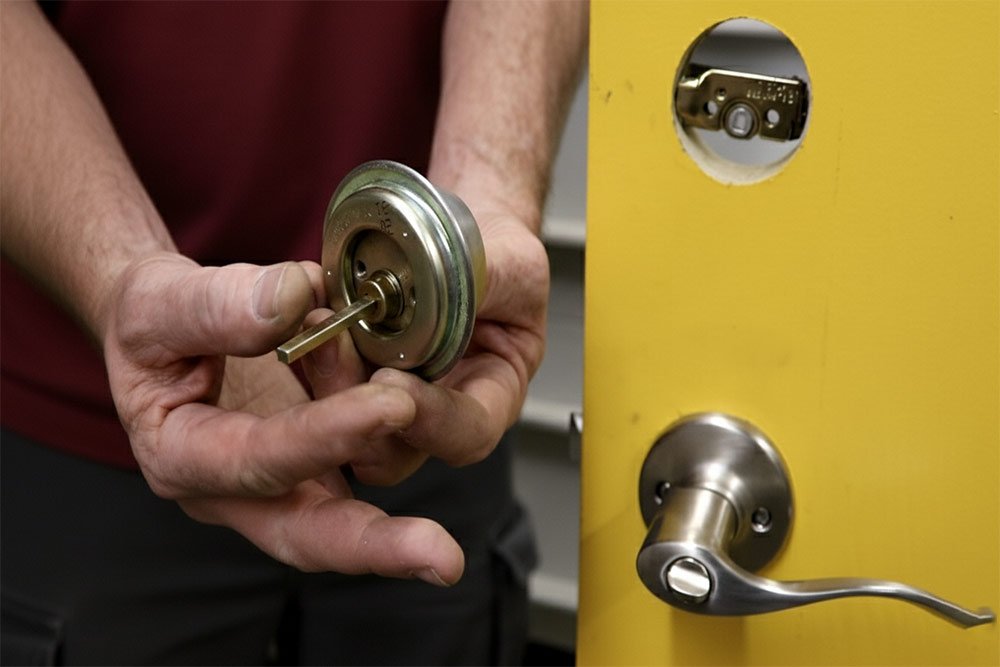

Installing a lock might seem straightforward, but one small mistake during lock installation can compromise your entire security system. Whether you’re upgrading your home locks, setting up new business entry systems, or replacing damaged hardware, proper installation is essential to ensure your locks function smoothly and provide maximum protection.
Unfortunately, many homeowners and even some handymen underestimate the complexity of lock installation. The result? Misaligned latches, weak deadbolts, damaged doors, and locks that can be easily bypassed. In this guide, we’ll cover the most common lock installation errors and, more importantly, show you how to avoid them to keep your property secure and your locks operating perfectly.
1. Choosing the Wrong Type of Lock During Lock Installation
One of the most frequent mistakes people make during lock installation is selecting the wrong type of lock for their specific needs. Locks are not one-size-fits-all. The level of security required for a front door differs from that of an interior office or bedroom door.
Common issues with wrong lock selection include:
- Installing an interior-grade lock on an exterior door.
- Using a low-security lock in high-traffic or high-value areas.
- Selecting a lock that doesn’t fit the door’s thickness or backset.
How to avoid this mistake:
Before purchasing a lock, evaluate where it will be installed. Exterior doors should have deadbolts or high-security smart locks, while interior doors can typically use privacy or passage locks. Always check manufacturer specifications to ensure compatibility with your door’s dimensions and intended security level.
2. Incorrect Measurement of Door and Backset
Precision is key during lock installation. Even a few millimeters off can result in misalignment, causing the latch or bolt to miss the strike plate. This not only weakens the lock’s security but also leads to difficulty in opening or closing the door.
Common measurement mistakes include:
- Misjudging the backset (distance from the edge of the door to the center of the borehole).
- Incorrect hole placement for the latch or deadbolt.
- Failing to measure door thickness before selecting a lockset.
How to avoid this mistake:
Use a tape measure and a lock installation template to ensure precise alignment. Most modern locks come with drilling guides; use them. For standard residential doors, the backset is typically 2-3/8 inches or 2-3/4 inches, but always double-check before drilling. If you’re not comfortable measuring or drilling, call a professional locksmith who can complete the lock installation with laser-level accuracy.
3. Misaligned Strike Plate from Poor Lock Installation
Even if your lock is installed perfectly, a misaligned strike plate can cause major problems. The strike plate is the metal piece attached to the door frame that receives the latch or deadbolt. When it’s even slightly off, your lock won’t engage properly.
Common symptoms of a misaligned strike plate:
- The door won’t latch easily.
- You have to lift or pull the door to lock it.
- The lock bolt doesn’t fully extend into the strike hole.
How to fix or avoid this issue:
Before tightening screws, test how the door closes and locks. Adjust the strike plate position so the latch aligns perfectly with the strike hole. Reinforce it with 3-inch screws for extra security. If the misalignment results from door warping, a locksmith can help adjust or reframe the door for a smoother fit.
4. Over-Tightening or Under-Tightening Screws
Lock hardware depends on balance. If it’s too tight, the parts may warp, and if it’s too loose, the mechanism wobbles or misaligns. Over-tightening screws is one of the most overlooked lock installation mistakes, especially for DIY enthusiasts.
What happens when screws are over-tightened:
- The latch or knob doesn’t rotate smoothly.
- Internal lock components get compressed, leading to jamming.
- Aesthetic damage, such as stripped screws or cracked plates.
How to avoid this mistake:
Use a screwdriver instead of a power drill to control torque. Tighten screws evenly until they’re snug but not strained. If the lock feels stiff after installation, loosen the screws slightly and test again until it moves freely.
5. Forgetting to Reinforce the Door Frame
A lock is only as strong as the frame that holds it. Many people make the error of focusing solely on the lock and neglecting the door frame during lock installation. A weak frame can be kicked open, even if you have a high-security deadbolt.
How to reinforce your door frame:
- Install a reinforcement strike plate or security strike box.
- Use 3-inch screws to secure hinges and strike plates deep into wall studs.
- Add metal door jamb reinforcements if your door is hollow-core or old.
By strengthening the frame, you significantly increase the lock’s resistance to forced entry.
6. Ignoring Door Alignment Issues Before Starting Lock Installation
Before installing a lock, you should always ensure that the door closes evenly and fits squarely within the frame. Installing a lock on a misaligned or warped door will cause premature wear and make locking difficult.
Signs your door is misaligned:
- Uneven gaps along the edges.
- The door rubs against the frame.
- You must push or pull hard to close it.
How to avoid this issue:
Fix any door alignment problems before installing the lock. Tighten hinge screws, replace sagging hinges, or plane the door edges as needed. Starting lock installation on a perfectly aligned door ensures long-term performance and reduces future maintenance.
7. Using Cheap or Low-Quality Locks
Not all locks are created equal. Choosing the cheapest option may save money upfront, but can lead to frequent malfunctions and reduced protection.
Problems with low-quality locks:
- Poor resistance to picking, bumping, or drilling.
- Weak internal mechanisms that wear out quickly.
- Loose fit or difficulty turning the key.
How to avoid this mistake:
Invest in ANSI Grade 1 or Grade 2 locks, which meet rigorous security standards. Brands like Schlage, Kwikset SmartKey, and Medeco offer reliable, long-lasting options for both residential and commercial use.
Remember, lock installation is not just about convenience; it’s about safeguarding your property. Quality hardware is worth every penny.
8. Incorrect Deadbolt Positioning in Lock Installation
Deadbolts provide one of the strongest layers of door security, but only when properly installed. One of the most common errors during lock installation is positioning the deadbolt too close to the latch or at the wrong height.
Consequences of poor deadbolt placement:
- The bolt doesn’t fully extend into the strike plate.
- Increased vulnerability to forced entry.
- Lock mechanism strain reduces lifespan.
How to avoid this mistake:
Follow the manufacturer’s installation templates carefully. The standard placement for a deadbolt is 6 to 12 inches above the door handle. This spacing prevents interference between the two locks and provides a comfortable locking height.
9. Failing to Test the Lock Thoroughly
Many DIY installers finish the job and assume the lock is working without properly testing it. Skipping this step can lead to lock failure later when you least expect it.
Always test your lock installation by:
- Turning the knob or key several times to ensure smooth operation.
- Locking and unlocking from both sides.
- Checking that the latch fully extends and retracts.
- Confirming that the strike plate aligns correctly when the door closes.
It’s also important to test after 24 hours, as screws may settle and wood may slightly shift.
10. Ignoring Weather Conditions That Affect Lock Installation
Weather can affect lock installation, especially in exterior doors exposed to humidity, heat, or cold. Expansion and contraction of door materials can misalign locks or cause stiffness.
Common weather-related issues include:
- Metal locks rusting due to moisture exposure.
- Wooden doors expanding, causing latch misalignment.
- Keyholes freezing in cold climates.
How to avoid this mistake:
Use weather-resistant locks made from stainless steel or brass for exterior doors. Apply a silicone-based lubricant to keyways, and use weather stripping to reduce moisture exposure. In humid areas like South Florida, professional locksmiths often recommend corrosion-resistant lock models designed for tropical climates.
11. Skipping Professional Assistance
DIY lock installation can be satisfying, but not all doors or lock systems are suited for self-installation. Many modern locks, such as electronic and smart locks, require precise alignment, programming, and calibration that go beyond basic hardware skills.
Why professional installation matters:
- Locksmiths have specialized tools for accurate drilling and fitting.
- They ensure compliance with security standards.
- They can identify hidden door or frame issues before installation.
If you are installing a high-security deadbolt, keyless entry system, or commercial-grade lock, calling a professional locksmith ensures the job is done right the first time. Services like Tiktak Locksmith Services provide expert lock installation throughout South Florida, combining precision workmanship with modern security expertise.
12. Neglecting Maintenance After Installation
Even with a flawless lock installation, regular maintenance is crucial to keep your locks functioning well over time. Dirt, debris, and lack of lubrication can cause the mechanism to stick or jam.
Basic maintenance tips:
- Apply graphite or silicone lubricant every six months.
- Tighten loose screws and check alignment regularly.
- Clean around the keyhole and strike plate.
- Replace worn keys to avoid damaging the lock cylinder.
Routine maintenance extends your lock’s life and helps you detect small issues before they become serious security risks.
13. Not Securing Smart Locks Properly
Smart locks have revolutionized security, but incorrect setup can create digital vulnerabilities. A poorly configured lock installation involving Wi-Fi or Bluetooth locks can expose your system to hacking.
Common smart lock installation errors include:
- Failing to update firmware.
- Using weak passwords for app access.
- Ignoring manufacturer security patches.
- Skipping mechanical key backup setup.
How to avoid this mistake:
After installation, immediately secure your smart lock system with strong, unique passwords. Enable two-factor authentication when available and update software regularly. Consider consulting a locksmith who specializes in smart lock systems to ensure both mechanical and digital integrity.
14. Installing Locks Without Considering Accessibility
If you live with elderly family members or people with disabilities, accessibility is an important consideration during lock installation. Installing a lock that’s too high, stiff, or complex can make daily use challenging.
Accessibility-friendly installation tips:
- Mount locks at a comfortable height, typically around 36 to 38 inches from the floor.
- Choose lever-style handles instead of knobs for easier operation.
- Consider keyless or biometric locks for convenience.
Proper placement and design consideration make security inclusive for everyone in the household.
15. Overlooking Door Material Compatibility
Different doors require different installation approaches. Installing a lock on a metal door, for example, is not the same as installing one on wood or fiberglass.
Common compatibility mistakes:
- Using wood screws on metal doors.
- Not drilling pilot holes for hard materials.
- Using the wrong type of latch bolt for hollow-core doors.
How to avoid this mistake:
Always use hardware and screws recommended for your door material. If you’re unsure, consult a professional locksmith who has experience working with multiple door types.
16. Skipping Safety Precautions During Installation
Improper drilling or tool handling during lock installation can cause injuries or damage to the door. Many DIYers underestimate the power of drills and hole saws.
Basic safety practices:
- Wear safety glasses to protect from flying debris.
- Use a clamp or jig to keep the door steady while drilling.
- Avoid rushing; precise work ensures safety and accuracy.
Taking your time and following safety procedures not only protects you but also ensures a cleaner, more professional finish.
17. Failing to Document Lock Details After Installation
Forgetting to document key codes, model numbers, or smart lock credentials can cause future headaches. If you lose a key or need a replacement, having this information saves time and money.
How to avoid this mistake:
Keep a digital or physical record of your lock’s brand, model, and key code (never share it publicly). For smart locks, store app access details in a secure password manager.
Proper recordkeeping ensures you can manage replacements or upgrades easily.
Conclusion:
Lock installation may appear simple on the surface, but it’s a task where small errors can have big consequences. From choosing the right hardware to ensuring precise alignment and robust strike plate mounting, every step matters. If you want to ensure flawless lock installation, it’s best to rely on trusted professionals like Tiktak Locksmith Services. Our trained technicians provide residential, automotive, and commercial lock installation across South Florida with attention to detail, premium hardware, and guaranteed workmanship. Remember, your lock isn’t just hardware; it’s your first line of defense. Install it right, maintain it well, and your property will remain safe for years to come.