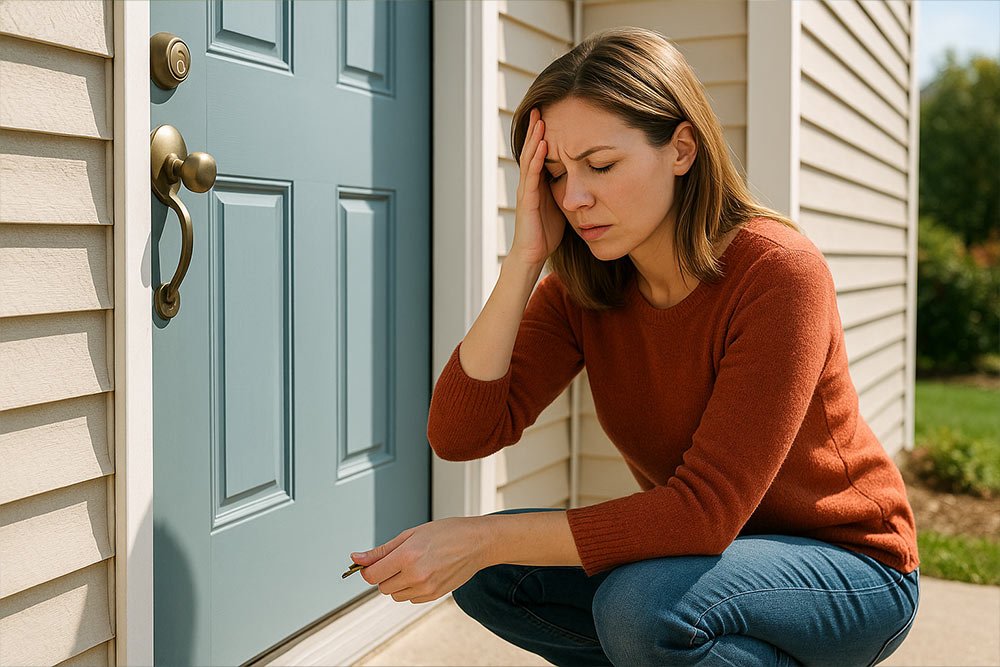
Getting locked out of your house is one of those stressful situations no one wants to face, yet it happens more often than you might think. Maybe you stepped outside to grab the mail and the door clicked shut behind you. Or perhaps you misplaced your keys after a long day at work. No matter the reason, standing outside your own home without a way to get in can feel frustrating, inconvenient, and sometimes even scary.
The good news is that there are several safe, practical steps you can take to regain access to your home without unnecessary damage or panic. This guide will walk you through what to do when you’re locked out of your house, along with prevention strategies to help ensure it doesn’t happen again.
Common Reasons People Get Locked Out of Their House
Before exploring solutions, it’s important to understand the common causes behind lockouts. Recognizing these can help prevent future lockouts.
1. Lost Keys
Misplacing your keys while at work, running errands, or traveling is one of the most common reasons for being locked out.
2. Forgotten Keys Inside
Many homeowners step out for a minute without grabbing their keys. A self-locking door makes this mistake even easier.
3. Broken Key or Lock
Keys can snap, and locks can jam due to wear and tear or lack of maintenance.
4. Damaged Electronic Lock
With the rise of smart locks, dead batteries or technical glitches can also cause lockouts.
5. Stolen Keys
If your keys are stolen, not only are you locked out, but you also face a security risk.
First Things To Do When You’re Locked Out of Your House
When you realize you are locked out, the most important step is to stay calm and evaluate your options. Here are safe actions you can take right away.
1. Check All Doors and Windows
Start with the basics. Walk around your home to check for unlocked entry points. You may find a back door, side door, or window that was accidentally left open. Be careful not to damage screens or frames when attempting to enter.
2. Use a Spare Key
Do you have a spare key hidden outside, perhaps under a rock or inside a lockbox? Many homeowners also leave copies with a trusted neighbor, friend, or family member. If you do, this may be the quickest way back inside.
3. Contact Someone With a Key
If you live with family or roommates, call or text them to bring you their copy of the house key. If your landlord or property manager has a key, reach out to them.
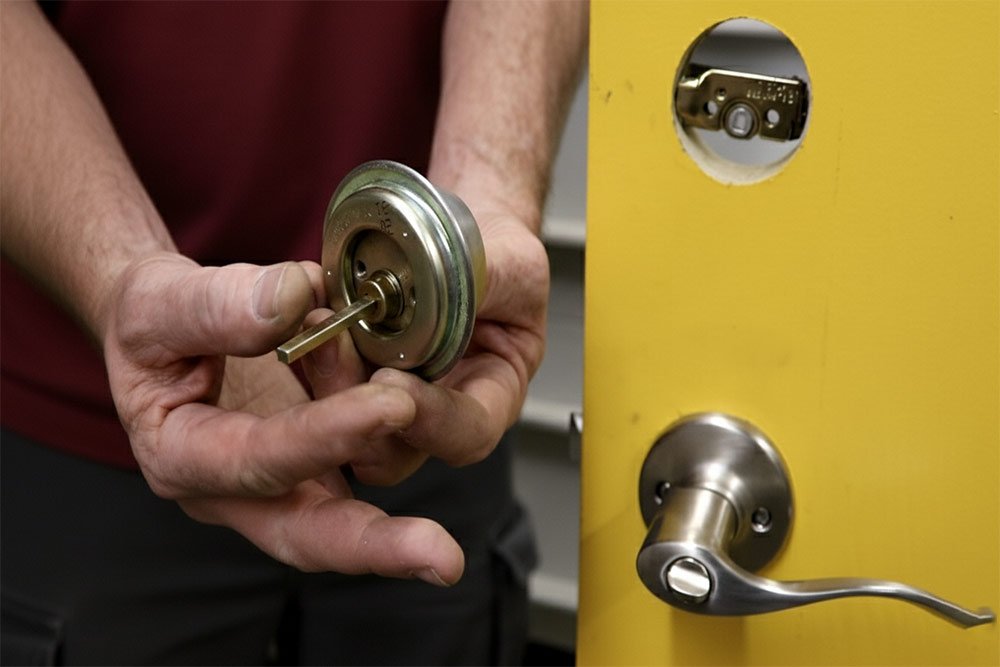
4. Remove the Doorknob (If Possible)
If you’re handy, some interior locks can be removed with just a screwdriver. While this method won’t work for deadbolts, it may help if you’re locked out of a knob-style lock.
5. Contact Your Security System Provider
If you have a monitored home security system like ADT, Vivint, or a similar provider, give them a call. Some systems offer lockout services as part of their package, or they may be able to provide guidance or remotely unlock smart locks if you have them integrated.
Alternative Methods to Try When Locked Out of Your House
If basic steps don’t work, here are some methods that may help, though caution is required to avoid damaging your door or lock.
1. Try a Plastic Card
In certain older locks, you can slide a sturdy plastic card (like a loyalty card, not your credit card) between the frame and latch to push it back. This technique only works on spring bolt locks and not on deadbolts.
2. Use DIY Tools if You’re Locked Out of Your House
Some homeowners attempt to use improvised tools like paperclips or hairpins for simple locks. While possible, it often requires skill and may cause damage if not done carefully.
3. For Cars and Garages: The Vehicle Link
This is a modern solution many don’t consider. If your car keys are also locked inside the house, but your car itself is unlocked or has a keypad, check your car. Many people store a spare house key in their glove compartment for exactly this scenario. Furthermore, if your car is in an attached garage, some garage door openers have a wireless keypad on the outside that you can use to gain entry to the garage, which often has an unlocked door leading into the house.
4. As a Last Resort: Call the Non-Emergency Police Line
This should only be used in extreme, extenuating circumstances. For example, if it’s freezing outside and you have a small child or pet trapped inside, or if you left the stove on. Call the non-emergency line (do not dial 911) and explain the situation. They may be able to assist or recommend a course of action. They will not help you simply because you are locked out; there must be a verifiable safety risk.
When to Call a Professional Locksmith
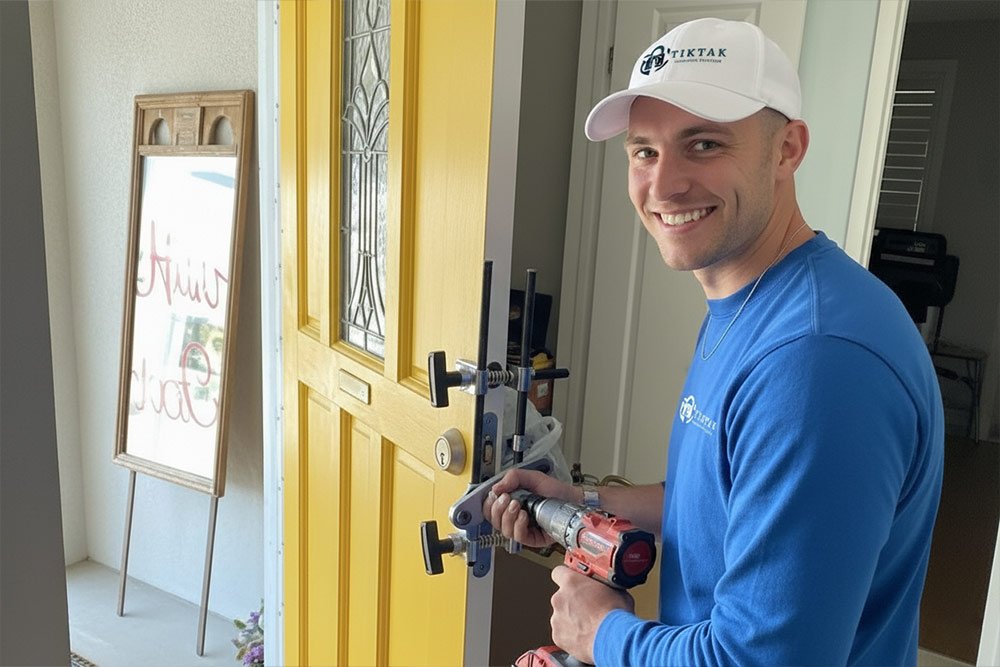
If none of the above works, your best option is to call a professional locksmith. A licensed locksmith has the tools and expertise to unlock your door without damaging it. They can also help if your lock is broken, your key has snapped, or if you want to upgrade your locks afterward for better security.
What Locksmiths Can Do for You:
- Unlock standard locks and deadbolts safely
- Repair or replace broken locks
- Extract broken keys
- Program or fix electronic locks
- Cut new keys on the spot
How to find a good locksmith when you’re locked out of your house:
- Search Before You Need One: If you have a moment now (for future reference), look up well-reviewed, local locksmiths and save their number in your phone.
- Beware of Scams:Avoid calling the first “24/7” ad that appears in a generic search; some are call centers that subcontract and inflate prices. Look for a local address and verifiable reviews.
- Ask for an Estimate:A reputable locksmith should be able to give you a rough quote over the phone for a locked out of your house service call before they dispatch someone.
Though locksmith services come with a cost, they are usually the safest and quickest solution when you’re locked out.
Safety Considerations When Locked Out of Your House
Being locked out isn’t just inconvenient, it can sometimes be unsafe. For instance, if you are locked out late at night or in an unfamiliar area, consider these safety steps:
- Stay in a well-lit, safe location while waiting for help.
- Call a friend, neighbor, or family member to wait with you.
- If you suspect your keys were stolen, arrange for a lock change immediately.
What Not To Do When Locked Out of Your House
In moments of frustration, it’s easy to consider unsafe or damaging methods. Avoid these common mistakes:
What NOT to Do When You’re Locked Out of Your House
In your panic, it can be tempting to try risky methods. Avoid these common mistakes:
- Do NOT break a window: This is dangerous, expensive to fix, and leaves your home vulnerable until it’s repaired. The cost of a new window and a locksmith will far exceed just calling the locksmith.
- Do NOT use amateurish lock-picking tricks:YouTube videos make it look easy. In reality, you’re more likely to break your key off in the lock or damage the locking mechanism, turning a simple lockout into a costly repair.
- Do NOT ask a stranger for help:Unless it’s a uniformed police officer or a verified professional, do not let a random person attempt to help you break into your home.
How to Prevent Getting Locked Out of Your House Again
Once you’ve regained entry, the next step is to prevent future lockouts. Here are some smart strategies:
1. Make Spare Keys
Have extra copies made and leave them with trusted neighbors, friends, or family. Avoid hiding keys in obvious outdoor spots like under mats or flowerpots.
2. Install a Key Lockbox
A secure lockbox with a combination code can be a reliable place to store a spare key outside your home.
3. Switch to Smart Locks
Smart locks with keypad entry, fingerprint recognition, or smartphone access reduce the risk of lockouts. Some even alert you when batteries run low.
4. Create a Routine
Get into the habit of checking for your keys before leaving home. A designated key holder near the door can help.
5. Maintain Your Locks
Regularly inspect and lubricate locks to prevent jams or breakages that could lead to lockouts.
Cost of Being Locked Out of Your House
Getting locked out often comes with unexpected costs. Here’s what you might expect:
- Locksmith fees: $75 to $150 on average, more for emergency or after-hours service.
- Replacing locks: $100 to $300 depending on the type of lock.
- Smart lock upgrades: $200 to $500.
Though frustrating, these expenses can be minimized with preparation and prevention.
Final Thoughts
Being locked out of your house is never convenient, but it doesn’t have to turn into a disaster. Start by checking simple solutions like unlocked doors or spare keys, then move to more advanced methods and hire Tiktak Locksmith service. Most importantly, take preventive measures afterward so the situation doesn’t repeat itself.
With the right approach, you can turn a stressful lockout into a manageable experience, all while keeping your home secure.